




Tyson Motor Chrysler Jeep Dodge Ram
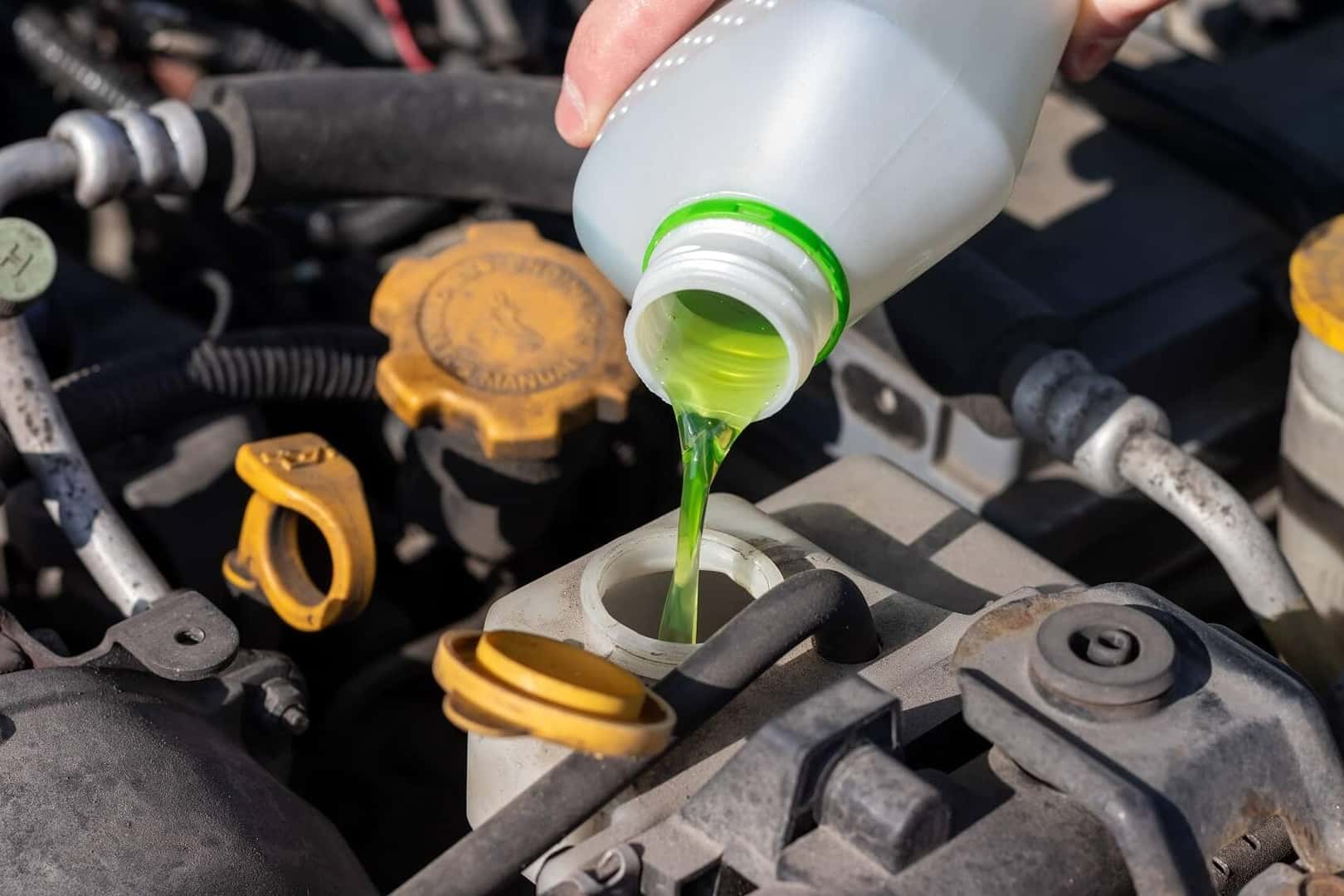
Keeping an eye on your coolant level is one of those simple checks that can save you from major engine trouble down the road. Your vehicle relies on coolant to regulate temperature, prevent overheating, and keep key components protected in changing conditions. The good news? It only takes a few minutes to make sure everything is where it should be.
In this guide, you’ll learn how to check coolant levels safely, what to look for inside the reservoir, and when it’s time to take action. The Tyson Motor Chrysler Jeep Dodge Ram service team, serving Joliet, Plainfield, Lockport, and Naperville, Illinois, has put together everything you need to confidently stay on top of your vehicle’s cooling system.
How do you know if your car needs coolant? Fortunately, if you’re paying attention, it can be easy to tell when your car needs coolant. To avoid costly repairs and headaches, be on the lookout for the following red flags that your car’s coolant level is getting seriously low:
If you notice any of these indicators that something is wrong, don’t hesitate to bring your vehicle to our service center. Our factory-certified technicians can diagnose the problem and quickly repair it.
Like any of your car’s fluids, coolant levels will deplete over time and need to be replaced. You should check the system every three to six months to ensure it is working properly.
Healthy coolant will be green, blue, yellow, or red. If you see that it’s brownish or colorless, you should flush the liquid and get it replaced as soon as possible.
Learning how to check coolant levels doesn’t take long, but doing it the right way matters. Follow these steps to safely inspect and refill your system:
Engine coolant, sometimes called antifreeze, is a liquid that circulates through the engine block to regulate temperature by transferring heat away from the engine. It keeps the engine within safe operating limits by preventing freezing in cold weather and overheating in extreme heat, while also protecting internal engine components. Special additives help stabilize its temperature below 212 degrees and above 32 degrees Fahrenheit. Coolant also comes in different colors—green, orange, pink, yellow, or blue—depending on the type your vehicle requires. If your coolant appears brown, dark, cloudy, or contaminated, it may be time to have it flushed and replaced.
Checking your coolant levels is straightforward and should be done regularly. If the coolant is at an improper level, your car won’t run smoothly on the Joliet and Shorewood roads.
Ignoring low coolant levels doesn’t lead to anything minor. The cooling system is responsible for regulating engine temperature, and without enough fluid circulating, heat builds quickly.
If you skip checking car antifreeze or overlook a low coolant fill line, your engine starts running hotter than it should. At first, that may mean reduced efficiency or strain on internal components. But it doesn’t stop there.
As temperatures climb, the risk of a blown head gasket increases. This is one of the most serious outcomes tied to low coolant. When it fails, coolant and oil can mix, and you may notice thick white smoke coming from the exhaust or even from under the hood.
Without intervention, overheating continues. Metal components expand beyond their limits, which can warp the engine block or cylinder head. In worst-case scenarios, the engine can seize completely—meaning it locks up and stops running altogether.
Understanding what car coolant looks like can also help you catch problems early. Healthy coolant is typically bright green, orange, or pink, depending on the type. If it appears rusty, milky, or filled with debris, it’s a sign that something isn’t right.
Taking a few minutes to locate the coolant reservoir, confirm the level, and keep it within the proper range can prevent all of these issues. It’s one of the simplest checks that protects one of the most expensive parts of your vehicle.
There are a few warning signs of a situation with your coolant. The main warning sign is if it appears to have a sludgy consistency—your car very likely has an internal gasket leak. You may still be able to drive your car in this condition, but it means your coolant will leak out very quickly, overheating your engine and putting you and your car in danger.
If you notice that your coolant is thicker and sludgier than usual, schedule a service appointment so we can fix it.
Our service center is designed to be convenient and accommodating. We offer early bird hours to make scheduling around your day easier, and we provide a shuttle service if you need help getting back to work or home.
Need to stay on-site? Grab a seat, connect to our free Wi-Fi, and relax while we take care of your vehicle. All work is handled by certified technicians who know Chrysler, Dodge, Jeep, Ram, Fiat, and SRT vehicles inside and out. We only use Mopar parts and offer a full catalog of OEM accessories and performance parts, so every fix or customization is factory-backed and fully compatible with your vehicle.
If you need to keep moving while your car is in the shop, ask about our rental options. We also speak Spanish and offer Express Lube services for faster visits. Need new tires? We stock trusted names like Goodyear and Michelin. And if you’re looking into long-term protection, ask us about service contracts that help manage future repair costs.
Looking to save on routine maintenance or bigger repairs? Our service center regularly offers rotating service specials that can help lower your out-of-pocket costs. Whether it’s a discount on an oil change, a coupon for brake service, or bundled savings on tire packages, our service coupons are tailored to keep your car in top shape without straining your budget.
Most offers are available for a limited time, so check our service specials page before your visit. These promotions are designed to reward smart, consistent vehicle care. If you haven’t had your vehicle inspected lately, one of our current specials might make that the right time to come in.
It’s also worth noting that maintaining your vehicle regularly can help protect its long-term value. According to Kelley Blue Book, used vehicles that are correctly serviced tend to retain more value over time, especially when records show care at certified centers. Using our service specials helps you invest in your car’s future and save money now.
If you're not sure what that dashboard warning light means or how often to rotate your tires, our service tips can help. The service & parts information page contains short guides explaining how to maintain your vehicle, when to schedule services, and what to watch out for based on your car’s age and mileage.
These tips aren’t generic—they’re created to support Chrysler, Dodge, Jeep, and Ram drivers. You’ll find info on brake inspections, battery health, tire wear, oil life, coolant systems, and more. These practical reads help you know when to act—and when it’s okay to wait.
Learning how your vehicle works can help you avoid missing warning signs or falling behind on essential maintenance. A bit of awareness now can prevent expensive repairs later. Our technicians are here when you need a hand, but these service tips let you stay confident and informed between appointments.
It’s a good idea to check your coolant level at least once a month and before long drives. Regular checks help you catch small drops early, before they turn into overheating issues or costly repairs.
You might be able to drive short distances, but it’s not recommended. Even slightly low coolant can cause your engine to run hotter than normal, which increases wear and the risk of overheating over time.
Yes. Different vehicles require specific coolant formulas. Using the wrong type can reduce effectiveness or even damage the cooling system. Always check your owner’s manual or ask a technician before adding coolant.
You might be wondering, “Where can I get my coolant checked?” The answer is right here at Tyson Motor CJDR. If you have any questions about what we’ve discussed above or want to learn more about the services we offer, contact our service center! You can also bring your car to the dealership to talk to a service expert and have your car inspected in person—we’re easy to reach from Naperville or Plainfield!


